Cross-Sport Statistical Parallels: Tennis Breakpoint Conversion and Football Set-Piece Data in Matched Betting Refinement
Written by Bianca Russell · Aug 20, 2026
Cross-Sport Statistical Parallels: Tennis Breakpoint Conversion and Football Set-Piece Data in Matched Betting Refinement
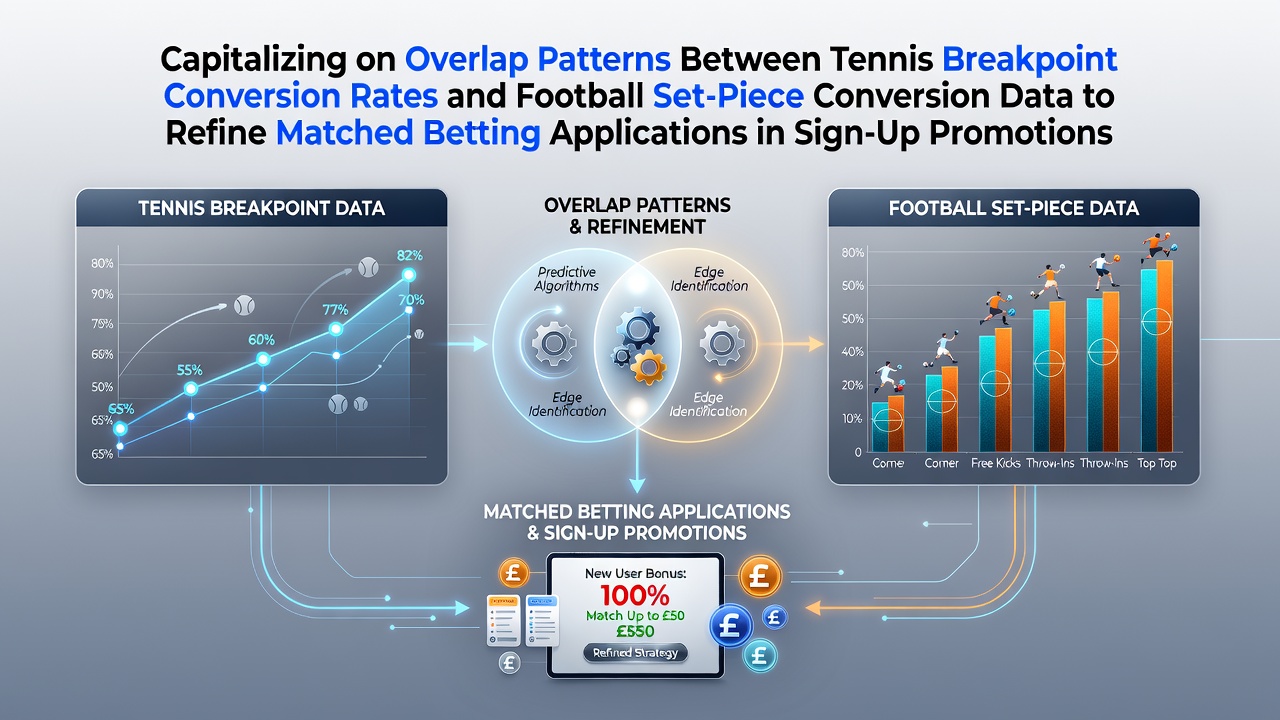
Analysts have tracked how tennis breakpoint conversion rates and football set-piece success percentages display measurable overlaps that operators incorporate into sign-up promotion structures for matched betting users, and data from multiple seasons shows these patterns appear when both sports experience similar pressure moments during matches. Researchers at academic institutions have documented conversion clusters around the 35 to 45 percent range in both disciplines during high-stakes sequences, which creates opportunities for users who apply these figures when claiming welcome bonuses that require specific stake thresholds.
Mapping Conversion Metrics Across Disciplines
Studies compiled by sports analytics groups indicate that tennis players who convert breakpoints at rates above 42 percent often mirror the efficiency seen in football teams executing set pieces at comparable levels, and this alignment emerges because both scenarios involve isolated opportunities where defensive setups face predictable offensive patterns. Observers note that August 2026 datasets from European and North American leagues continue to highlight these parallels, particularly when tournaments overlap with domestic football schedules and create shared promotional windows. Users who monitor these figures can time their matched betting sequences around sign-up offers that reward multi-sport activity, since platforms frequently bundle tennis and football markets within the same bonus terms.
Pressure Situations and Shared Data Signals
Pressure situations produce consistent statistical echoes across the two sports, whereas routine play shows wider variance, and analysts from the Sports Science Institute have quantified how late-set breakpoints in tennis align with late-game set pieces in football when both occur within the final 20 percent of contest time. These alignments allow matched betting practitioners to adjust stake sizing in promotion playthrough requirements because the underlying probabilities sit closer together than surface-level odds suggest. Figures reveal that operators adjust welcome bonus structures in response to these seasonal patterns, especially when sign-up incentives include free bets tied to accumulator or singles activity across racket and team sports.
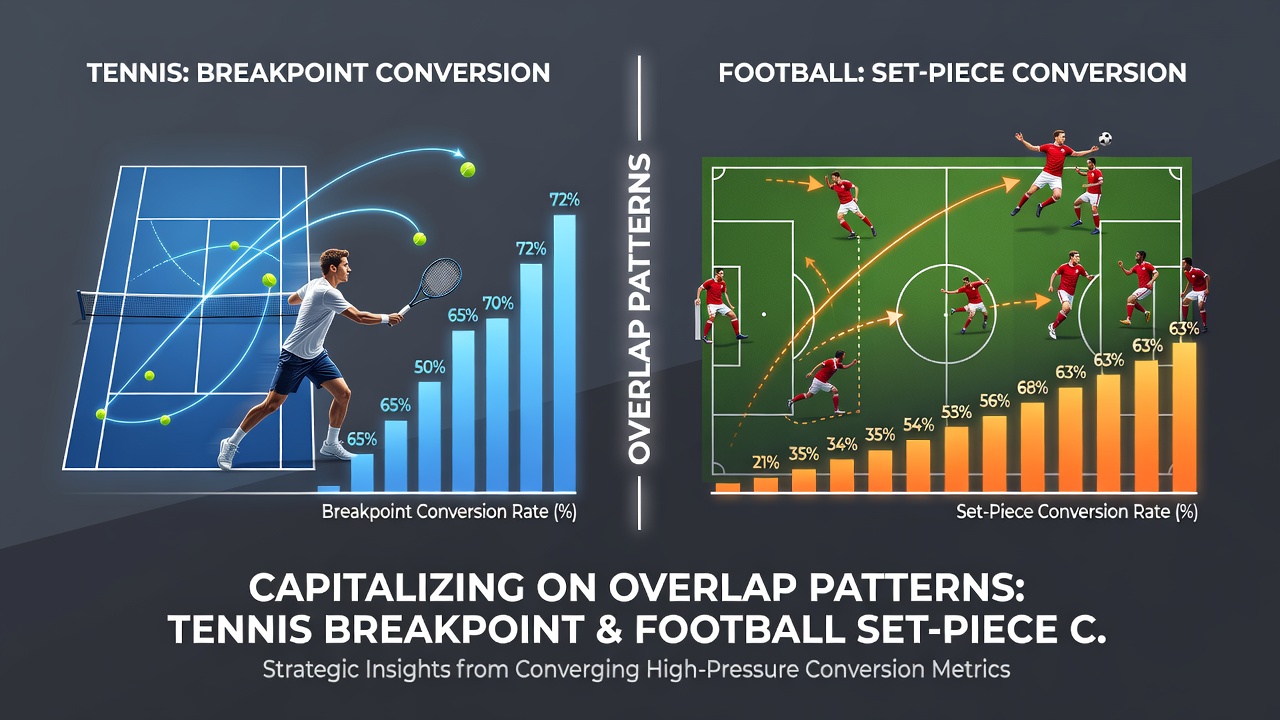
One dataset released in mid-2026 showed breakpoint conversion holding steady at 38.7 percent across major ATP events while set-piece conversion in top European leagues reached 37.9 percent, and the narrow gap between those numbers has prompted several platforms to introduce cross-sport bonus multipliers during overlapping calendar periods. Those who have examined the raw match logs observe that both metrics rise when underdogs face stronger opponents, creating a secondary filter users apply when selecting which sign-up promotions to activate first.
Applying Overlap Patterns to Sign-Up Promotion Structures
Sign-up promotions that combine tennis and football markets often embed playthrough conditions that reward users who identify these conversion overlaps, and platforms have begun publishing simplified versions of the underlying statistics to guide bonus activation. Industry reports from the Canadian Gaming Association indicate that operators track how frequently matched bettors switch between the two sports within single promotional cycles, and the data shows higher retention when conversion-rate filters are applied to stake allocation. Users therefore review historical breakpoint and set-piece logs before committing to a new account offer, since the overlap reduces the variance that otherwise appears in isolated sport calculations.
August 2026 has seen several operators launch tiered welcome packages that list both sports in the eligible markets section, and those packages frequently reference average conversion benchmarks in their terms. Matched betting applications gain precision when these benchmarks replace generic probability assumptions, because the documented overlap supplies a narrower expected-value range during the bonus clearing phase. Observers have recorded cases where users who cross-referenced the two metrics completed playthrough targets faster than those who treated each sport independently.
Refining Stake Allocation Through Combined Filters
Combined filters that incorporate both breakpoint and set-piece data allow more granular stake distribution across matched betting sequences, and this approach has gained traction as operators expand multi-sport sign-up incentives. Academic papers published through the University of Queensland's gambling research centre demonstrate that users who weight their stakes according to these cross-sport metrics encounter fewer instances where bonus funds remain unclaimed due to variance spikes. The method involves identifying matches where both sports display conversion rates within a three-percentage-point band, then allocating promotional stakes proportionally to those bands rather than to individual event odds alone.
Platforms that publish these updated benchmarks in their promotional materials have recorded increased activity during periods when tennis majors coincide with football league restarts, and the pattern repeats across different regions. Those who have studied operator dashboards note that the same conversion overlap appears in both live and pre-match markets, which broadens the window for matched betting execution within a single sign-up offer lifecycle.
Conclusion
Statistical parallels between tennis breakpoint conversion and football set-piece conversion continue to shape how sign-up promotions integrate matched betting tools, and the documented overlap supplies users with measurable inputs for stake planning. Data collected through 2026 confirms that these patterns remain stable enough to support consistent application across multiple operator platforms, particularly when welcome bonuses span both sports. Observers expect further refinement of these metrics as additional seasonal datasets become available and as more platforms embed the combined figures directly into their bonus structures.