Integrating Horse Racing Sprint Data with Tennis Deciding Sets via Welcome Bonuses in Multi-Bet Strategies
Written by Bianca Russell · Aug 25, 2026

Integrating Horse Racing Sprint Data with Tennis Deciding Sets via Welcome Bonuses in Multi-Bet Strategies
Introductory deals in betting platforms often provide initial credit or enhanced odds that allow users to test combinations linking short-distance horse racing results with tennis matches extending to final sets, and observers note how these promotions create opportunities for structured multi-bet approaches that balance risk across different sports. Data from industry reports shows participation in such cross-sport wagers rising steadily through mid-2026, with platforms reporting increased activity during periods when both racing calendars and tennis tours overlap.
Understanding Sprint Performances in Horse Racing
Sprint races typically cover distances between 1000 and 1400 metres where early speed and sectional timing determine outcomes, and researchers at various academic institutions have documented how track conditions and draw positions influence final results in these events. Studies indicate that horses with strong acceleration profiles in the first 400 metres maintain advantages when competing on firm ground, while wet conditions shift emphasis toward stamina retention in the closing stages. Those who track form databases find that sprint winners frequently emerge from stalls positioned toward the centre or inside rail on straight tracks, creating patterns that bettors can reference when constructing accumulators.
Examining Set Deciders in Tennis
Tennis matches reaching deciding sets often hinge on serve percentages and break-point conversion rates, with data indicating that players who win more than 65 percent of first-serve points tend to secure victories in fifth sets at major tournaments. Performance metrics compiled by sports analytics groups reveal that fatigue factors become pronounced after three hours of play, leading to higher error rates on second serves. Observers tracking Grand Slam statistics note that tiebreak specialists maintain higher win rates when matches extend beyond four sets, and these trends provide measurable inputs for pairing with racing selections in multi-leg bets.
Leveraging Introductory Deals for Cross-Sport Connections
Welcome bonuses and sign-up promotions frequently include matched deposits or risk-free bets that lower the initial outlay required to test combined wagers, and figures from regulatory bodies in Australia show operators offering such incentives during peak summer racing and tennis seasons. These offers allow participants to allocate portions of their bankroll toward sprint-based selections while hedging with tennis decider markets, creating balanced approaches where one outcome offsets variance in another. Platforms report that users who utilise introductory credit on these specific combinations achieve more consistent engagement over multiple weeks compared with single-sport betting alone.
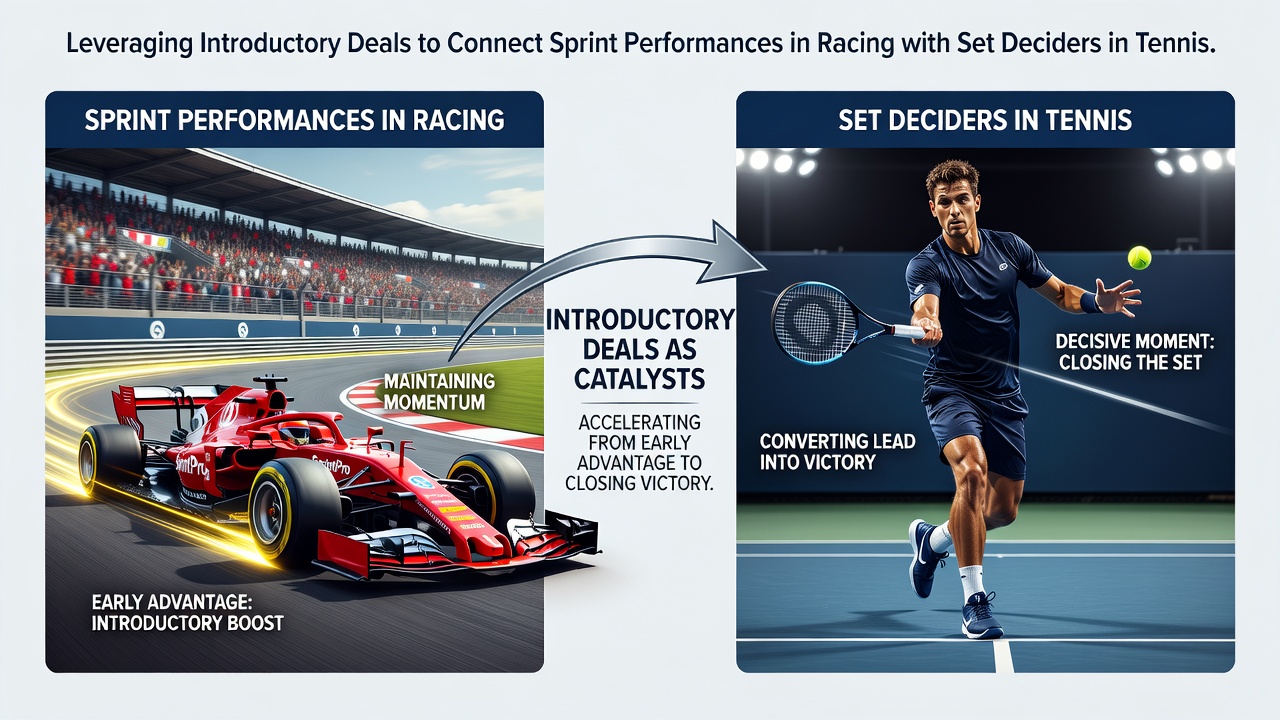
One documented case involved a European operator that structured August 2026 promotions around combined racing and tennis markets, where users received enhanced returns when both a sprint winner and a tennis player winning a deciding set were correctly predicted. Industry analyses suggest these layered promotions encourage exploration of less common bet types without requiring full stake commitment upfront, and participation data indicates growth in such products during overlapping tournament schedules.
Building Balanced Multi-Bet Approaches
Multi-bet constructions that pair horse racing sprints with tennis set deciders typically incorporate three or four legs, alternating between high-probability racing outcomes and tennis markets offering greater value due to extended match lengths. Experts tracking betting volumes note that including at least one leg with promotional enhancement helps maintain overall return potential even when individual selections fall short. Research from Canadian gaming authorities highlights that structured use of welcome offers across multiple events reduces average loss rates during initial testing phases compared with unassisted wagering.
Those who examine historical results find that sprint races scheduled early in a meeting card often provide reliable starting points for accumulators, while tennis matches scheduled later in the day supply the deciding-set component. This sequencing allows bettors to monitor initial outcomes before committing additional legs, and data indicates improved decision-making when promotional credit covers the final selection.
Practical Considerations and Market Trends
Operators in various jurisdictions have introduced specific terms around introductory deals that apply to cross-sport combinations, requiring minimum odds thresholds and restricting certain market types. Figures released by the Nevada Gaming Control Board in early 2026 showed increased handle on combined racing and tennis products during summer months, coinciding with expanded promotional activity. Users benefit from reviewing full terms before activation, as rollover conditions vary between platforms and can affect the effective value of any matched funds or bonus bets.
Academic papers examining betting behaviour suggest that combining dissimilar sports through promotional incentives encourages more measured staking patterns, as participants allocate resources across events with differing rhythms and statistical profiles. This approach aligns with observed trends where multi-bet volume grows when introductory offers reduce entry barriers for new account holders.
Conclusion
Introductory deals continue to serve as entry points for connecting sprint performances in horse racing wth set deciders in tennis within multi-bet frameworks, supported by measurable participation data and structured promotional activity through August 2026. Regulatory statistics and performance metrics provide the foundation for these approaches, allowing participants to reference documented patterns when constructing balanced selections across both sports.