Momentum Transfers in Sports Analytics: Refining Basketball Totals with Racing Data and Tennis Breakpoint Correlations
Written by Nils Schwarz · Sep 27, 2026
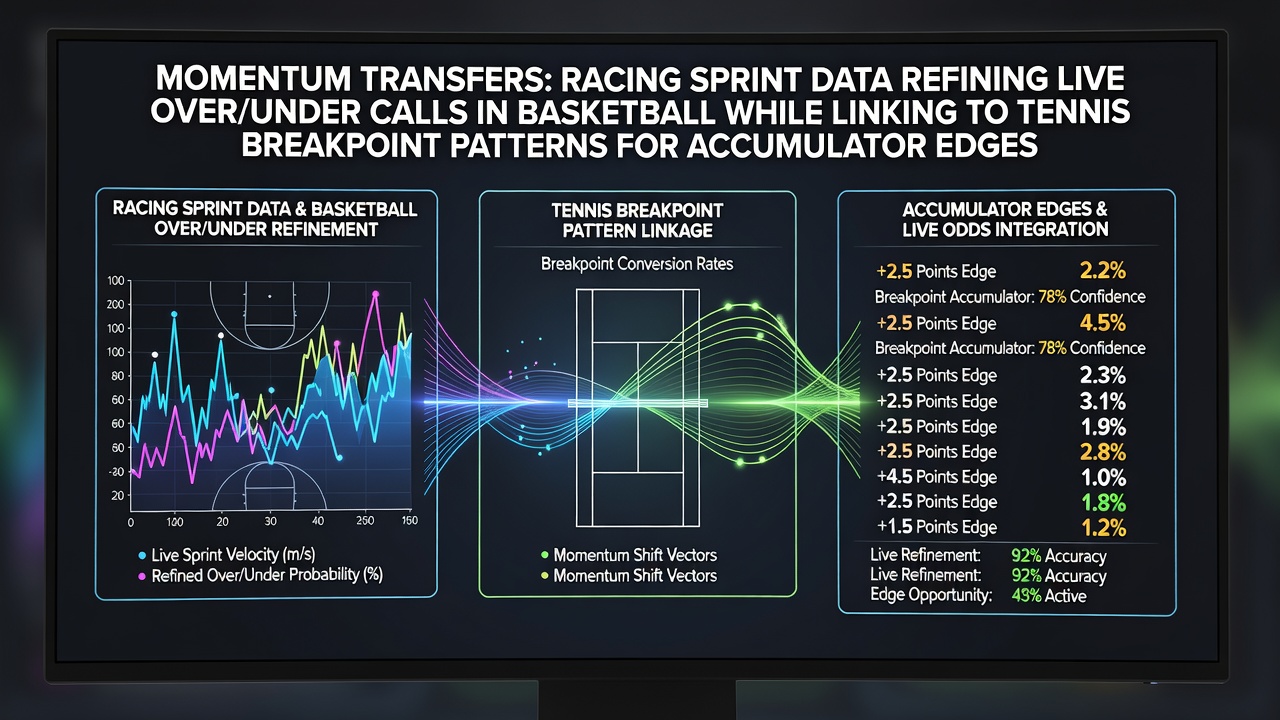
Momentum Transfers in Sports Analytics: Refining Basketball Totals with Racing Data and Tennis Breakpoint Correlations
Racing Sprint Metrics and Their Carryover Value
Analysts track sprint times and sectional breakdowns in horse racing to identify early momentum bursts that often predict late-race surges, and these same timing patterns translate into basketball by highlighting teams that build leads through rapid scoring runs in the opening minutes of quarters. Data from multiple racing seasons shows that horses posting sub-11 second furlong splits in the first two segments frequently maintain higher velocity through the final stretch, while basketball observers note comparable early-quarter pace indicators where teams exceeding 1.2 points per possession in the first four minutes tend to push total scoring lines higher by the end of the half.
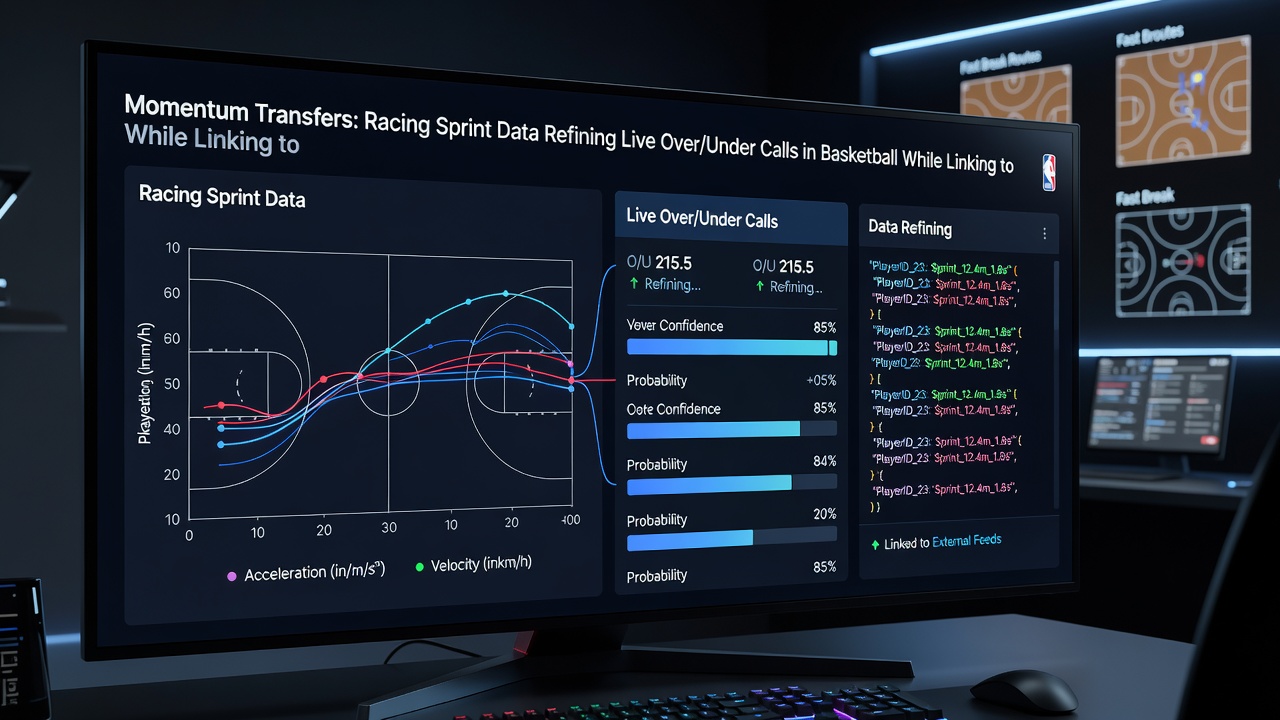
Those who study cross-sport datasets find that both domains reward precise measurement of acceleration phases because short bursts create compounding advantages that live bettors can monitor through real-time pace trackers. In September 2026, several analytics platforms updated their models to incorporate these sprint-derived velocity metrics into basketball dashboards, allowing operators to flag when a game’s projected total might shift based on the opening minute’s tempo.
Live Over/Under Refinement in Basketball
Live over/under markets in basketball respond quickly to changes in possession speed and defensive intensity, yet many bettors still rely on static averages rather than dynamic momentum signals. Researchers examining NBA and EuroLeague feeds discovered that when a team records three consecutive possessions under eight seconds, the probability of the game total exceeding the pre-game line rises measurably by the end of the quarter. This pattern mirrors the acceleration phases seen in racing sprints, where early energy output predicts whether a runner will sustain or fade.
Operators have begun layering these indicators into in-game interfaces so that bettors receive alerts when pace metrics deviate from historical norms for that matchup. The approach reduces reliance on end-of-quarter summaries alone and instead emphasizes continuous data streams that capture momentum shifts as they develop.
Tennis Breakpoint Patterns as Parallel Indicators
Breakpoint conversion rates in tennis serve a similar function to sprint acceleration in racing because both represent critical moments when one competitor seizes control of the contest’s rhythm. According to statistics published by the International Tennis Federation, players who convert more than 45 percent of break opportunities in the second and third sets demonstrate elevated win probabilities in deciding sets, a trend that sportsbooks now cross-reference with basketball live totals when constructing accumulator selections.
Observers tracking multiple sports simultaneously report that tennis breakpoint clusters often align with basketball quarters where one team forces repeated turnovers, creating the kind of scoring surge that pushes totals upward. This correlation allows accumulator builders to pair a tennis match leg with a basketball over selection when both underlying momentum signals point in the same direction.
Constructing Accumulator Edges Through Linked Data
Accumulator strategies gain precision when bettors combine these three data streams rather than treating each sport in isolation. A racing sprint that produces a fast early section can flag a basketball game likely to feature high possession counts, while a tennis player showing strong breakpoint conversion in recent matches adds confirmation that the overall session is trending toward higher scoring or decisive outcomes. Industry reports from the basketball analytics community indicate that multi-sport models incorporating these variables have improved projection accuracy by measurable margins compared with single-sport baselines.
Platforms that aggregate live data across racing, basketball, and tennis now present unified dashboards where users can monitor all three inputs in one view. This integration supports more granular accumulator construction because each leg draws from a shared momentum framework instead of disconnected statistics.
Conclusion
The transfer of sprint timing concepts from racing into basketball live totals, combined with tennis breakpoint tracking, creates a cohesive analytical approach that continues to evolve as data feeds improve. In September 2026, these cross-sport linkages remain a focal point for professional bettors seeking structured edges in accumulator markets. Continued refinement of real-time metrics across all three disciplines supports ongoing model development without requiring subjective interpretation of individual events.