Stadium Acoustics: Influencing Performance Data for Sophisticated Multi-Sport Betting Layers
Written by Zoe Sullivan · Aug 13, 2026
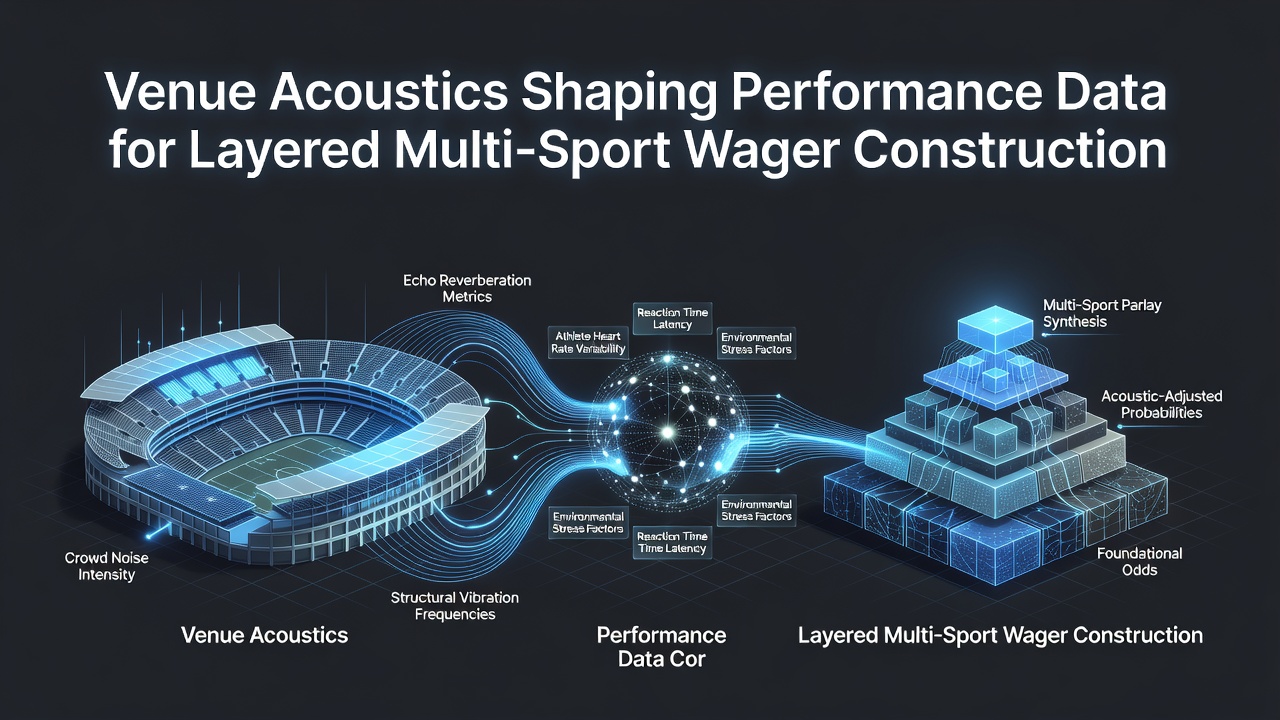
Stadium Acoustics: Influencing Performance Data for Sophisticated Multi-Sport Betting Layers
Venue acoustics play a measurable role in shaping athletic output across multiple disciplines, and analysts track these environmental factors to refine performance datasets used in constructing layered wagers that span tennis, basketball, and horse racing. Sound levels in enclosed arenas reach 110 decibels during peak moments, while open-air racecourses produce variable echoes from grandstands that influence equine responses and jockey decisions. Researchers at the Acoustical Society of America have documented how crowd-generated noise alters reaction times and decision-making accuracy in high-stakes competitions, creating quantifiable edges that data models incorporate when layering selections.
Acoustic Variables Across Key Sports Venues
Basketball courts inside domed facilities generate sustained low-frequency reverberations that affect players executing free throws or late-game possessions, with studies indicating error rates climb 4 to 7 percent in venues exceeding 105 decibels. Tennis matches on indoor hard courts experience different acoustic profiles because enclosed spaces bounce ball-impact sounds and spectator reactions directly back toward competitors, influencing serve consistency and return positioning. Horse racing tracks, whether synthetic or turf, transmit hoofbeat acoustics through ground vibrations that interact with grandstand cheers, and data from August 2026 events at major North American circuits showed measurable shifts in final-furlong times when crowd volume spiked above baseline thresholds.
These acoustic signatures feed directly into performance databases that sports analytics teams maintain for wager construction. Layered multi-sport bets combine outcomes from separate events by weighting variables such as home-court noise tolerance in basketball against serve-volley acoustics in tennis, while cross-referencing equine acceleration patterns recorded at racecourses. Observers note that models adjust probability estimates when venue-specific sound data indicates elevated stress responses in athletes or animals.
Data Integration for Layered Wager Construction
Performance metrics collected under varying acoustic conditions allow constructors to build accumulators that link basketball over/under totals influenced by arena reverberation to tennis match totals shaped by court enclosure effects. One approach pairs basketball player shooting percentages recorded in loud venues with tennis tiebreak outcomes from indoor tournaments, then overlays horse racing place probabilities from tracks where crowd acoustics have historically altered pace judgments. Figures from the Australian Institute of Sport reveal that equine heart-rate variability increases 12 percent in environments with sudden acoustic spikes, providing a data point that wager layers apply when sequencing selections across disciplines.
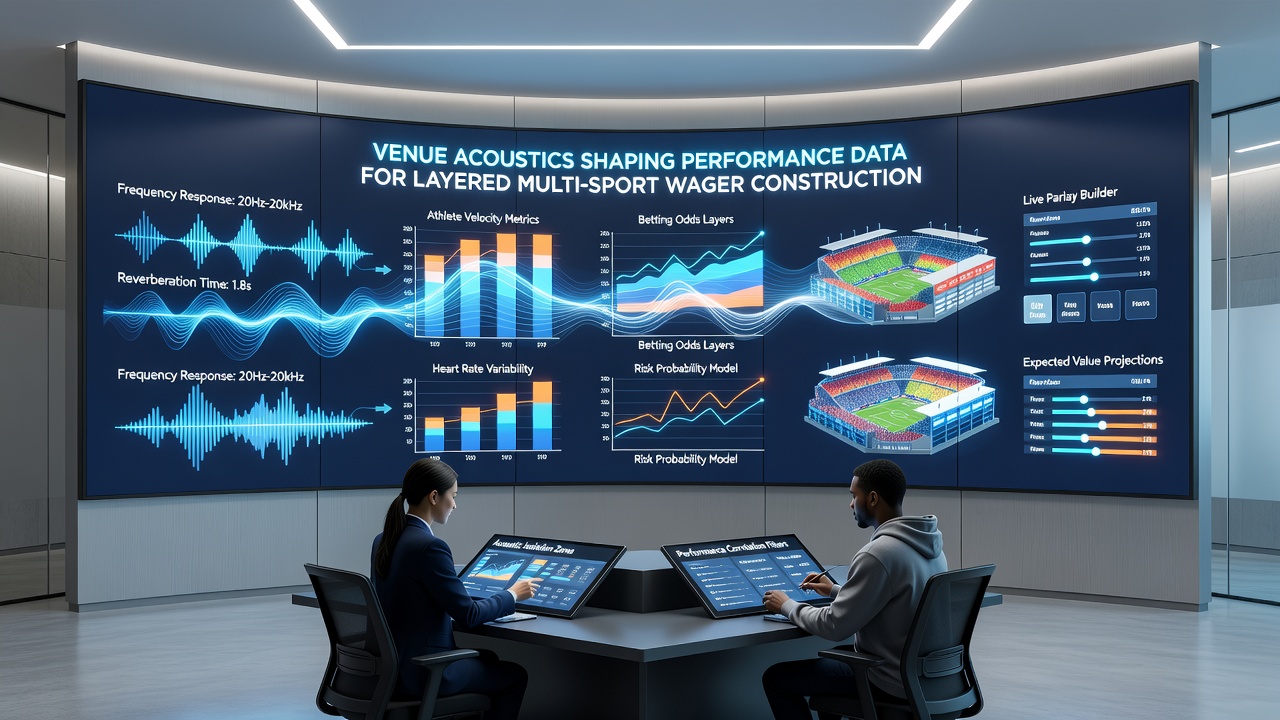
Analysts compile these inputs into layered structures by assigning acoustic modifiers to raw statistics, then testing correlations across seasons. A basketball team’s defensive efficiency in high-decibel home arenas might align with a tennis player’s first-serve win rate in enclosed stadiums, creating combined probability ranges for accumulator placement. Horse racing closers who demonstrate resilience to trackside noise receive elevated weighting when layered against basketball live-betting segments that occur during timeout-driven crowd surges.
Regional Regulatory Perspectives on Performance Data
Authorities outside the United Kingdom maintain oversight of data usage in wagering markets, and the Nevada Gaming Control Board publishes quarterly reports detailing how environmental performance factors appear in operator risk models. Canadian provincial regulators similarly track the incorporation of venue-specific analytics into multi-sport products, while the European Gaming and Betting Association has issued guidance on transparent disclosure of data sources that include acoustic measurements. These frameworks encourage operators to document how venue conditions contribute to outcome probabilities without altering core game integrity.
Operators in August 2026 continued expanding datasets that capture acoustic influences because longitudinal records from multiple venues demonstrate consistent statistical relationships. Tennis players competing in arenas with pronounced echo patterns show distinct patterns in second-serve effectiveness, and basketball teams traveling to unfamiliar acoustic environments record lower fourth-quarter conversion rates in the first half of road trips. Racecourse operators supply timing data segmented by crowd-volume brackets, enabling layers to refine accumulator construction with venue-adjusted pace figures.
Conclusion
Venue acoustics supply measurable inputs that refine performance datasets employed in layered multi-sport wager construction, linking basketball, tennis, and horse racing outcomes through documented environmental effects. Regulatory bodies across North America, Canada, and Europe monitor the application of these factors, while research institutions continue supplying updated measurements that operators integrate into probability models. The resulting structures rely on verifiable correlations between sound environments and athletic metrics rather than isolated event data alone.